+44 07513 522 896
 info@ptcsports.co.uk


+44 07513 522 896
info@ptcsports.co.uk
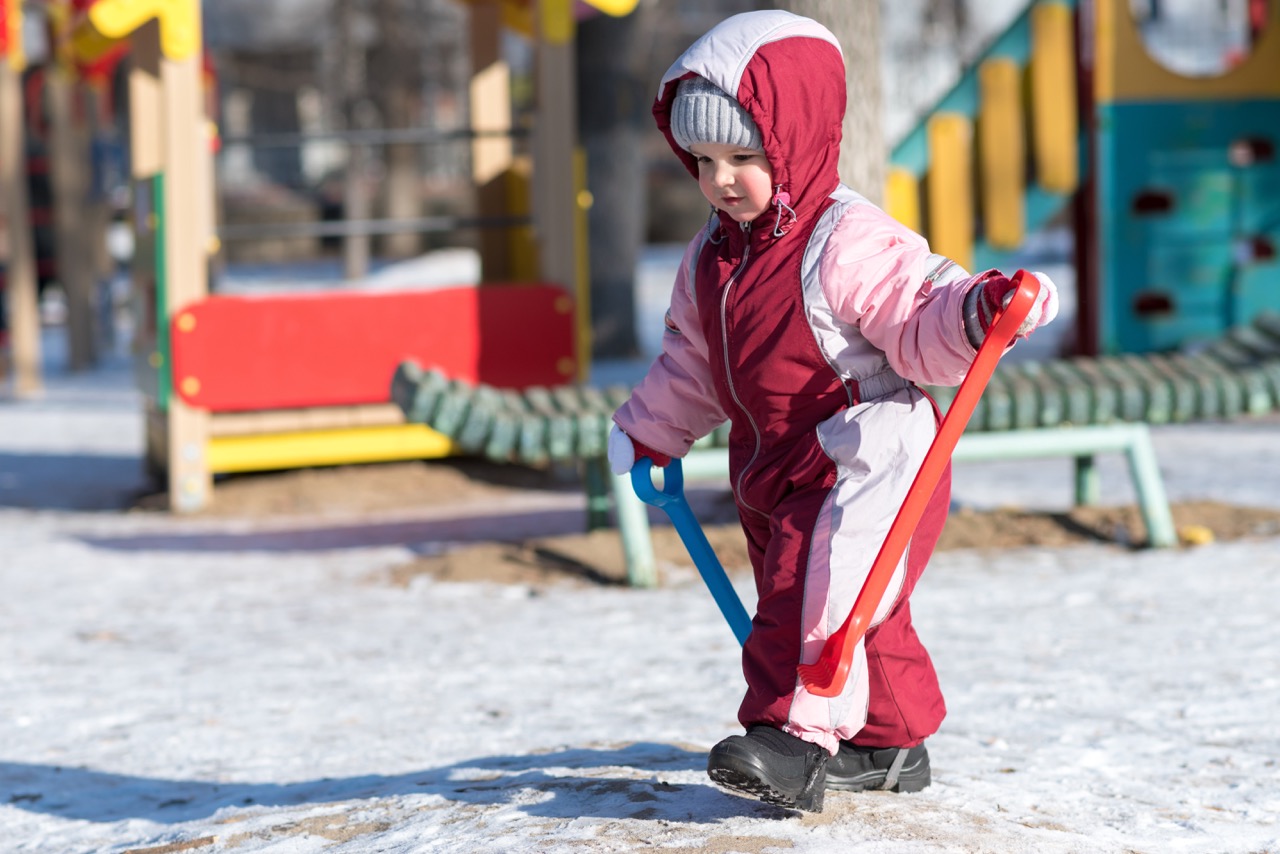
When it comes to the colder months, it’s tempting for both children and adults to opt for staying inside where it’s warm and cosy. The temperature drops and the daylight hours shrink, meaning screens become more appealing, motivation dips and outdoor play often slides down the priority list.
However, colder months don’t have to mean less movement. With the right approach, winter can actually be one of the most exciting times for kids to stay active, build resilience and develop a lifelong love of sport.
Consistent physical activity is key to children’s physical, mental and social development, no matter the season. Research shows that children who spend more time outside have high vitamin D levels, and higher levels are associated with better immune systems and stronger bones. More time outside is also beneficial for physical skills which improve the cardiovascular system, muscle strength, muscle control, coordination, dexterity and motor skills.
Think about it- as adults, we all feel the benefits of a walk in the fresh air and time in nature. This is seen in children too, with reported reduction in stress levels and anxiety seen in children who spend more time outside.
Here are some practical, realistic and family-friendly ways to encourage more outdoor play when the weather isn’t exactly inviting.
Reframe cold weather as an opportunity rather than a barrier
Kids take their cues from adults so if we treat winter as a problem, they will too. Instead, talk about the positive parts of the colder months: crisp air, fewer crowds and new activities they can’t do in summer. Highlighting the positives helps children see outdoor play as an adventure rather than a chore. A muddy field, frosty grass or light drizzle can quickly become part of the fun when it’s framed the right way.
Limit screen time
The most tempting thing to do when it’s cold outside is to pull out the iPad, and while they definitely have their time and place, screens can be a deterrent to getting outside. By placing a limit on the amount of screentime your child can have, it encourages them to find other methods of entertainment in other parts of the day- for example, getting outside.
Dress for comfort
One of the biggest reasons that kids resist going outside in winter is discomfort. The solution is simple (arguable) but crucial: the right clothing.
Layering is key for this. A breathable base layer, a warm mid-layer and a weather-resistant outer layer can make all the difference to how comfortable they are when playing outside. Add gloves, hats and warm socks, and suddenly the cold becomes manageable. When kids are warm and dry, they’re far more likely to enjoy themselves and stay outside longer.
You can even encourage them to help choose their own outdoor gear to boost excitement and confidence about wearing it.
Keep the activities short, varied and fun
In colder conditions, attention spans drop faster. Rather than forcing long sessions, aim for shorter bursts of activity that are high-energy and engaging. Try games, challenges and mini-competitions instead of drills that require standing still.
Rotating activities also helps. Mixing up skills, tag-style games, obstacle courses or team challenges keeps kids moving and warm while preventing boredom. And remember, the goal isn’t perfection in the skill, it’s more about participation and enjoyment.
During our winter sessions, we focus on movement-based learning that keeps players active from start to finish, even on the chilliest days.
Make outdoor play social
Kids are far more motivated when their friends are involved. Arrange playtimes, training sessions or fun games with friends. Knowing that others are braving the cold alongside them makes outdoor activity feel more exciting and less daunting.
Team sports are especially good during winter. They provide structure, routine and a sense of belonging at a time of year when energy levels can dip. Plus, regular sessions give kids something to look forward to, regardless of the weather. You can help by coordinating lifts and keeping the atmosphere positive and supportive on the sidelines.
Build outdoor play into your weekly routine
Consistency is one of the most effective motivators. When outdoor activity is part of the weekly routine, it becomes normal rather than optional. Set regular days for training, park visits or family walks and treat them like non-negotiable appointments. Routine also reduces resistance. Kids are less likely to argue about going outside when they know it’s simply ‘what we do on Saturday mornings.’
If your kids aren’t in the habit of outdoor play, here are a few tried and tested ideas to help:
Keep outdoor toys like bikes, scooters and helmets easily accessible for them to access independently
Get involved! Join them on a bike ride or challenge them to a game of tennis. Our children copy our actions, so be a role model and get stuck in!
Arrange play dates with and invite friends to join in
Make hot drinks in flasks to keep warm when playing outside
Get wrapped up and embrace the outside, whatever the weather- investing in some thermals and waterproofs will be sure to keep them happy in all weathers
Upgrade outdoor toys
At PTC Sports, we offer a host of after-school and holiday clubs to enrich your child’s physical well-being during the colder months. No matter the weather or ability, your children will enjoy themselves with our highly skilled and qualified coaches. We provide iconic multi-sports sessions for school holidays as well as after-school clubs when you need childcare or a new engaging activity.
Want to get involved yourself? Why not try our parent and child classes…