+44 07513 522 896
 info@ptcsports.co.uk


+44 07513 522 896
info@ptcsports.co.uk
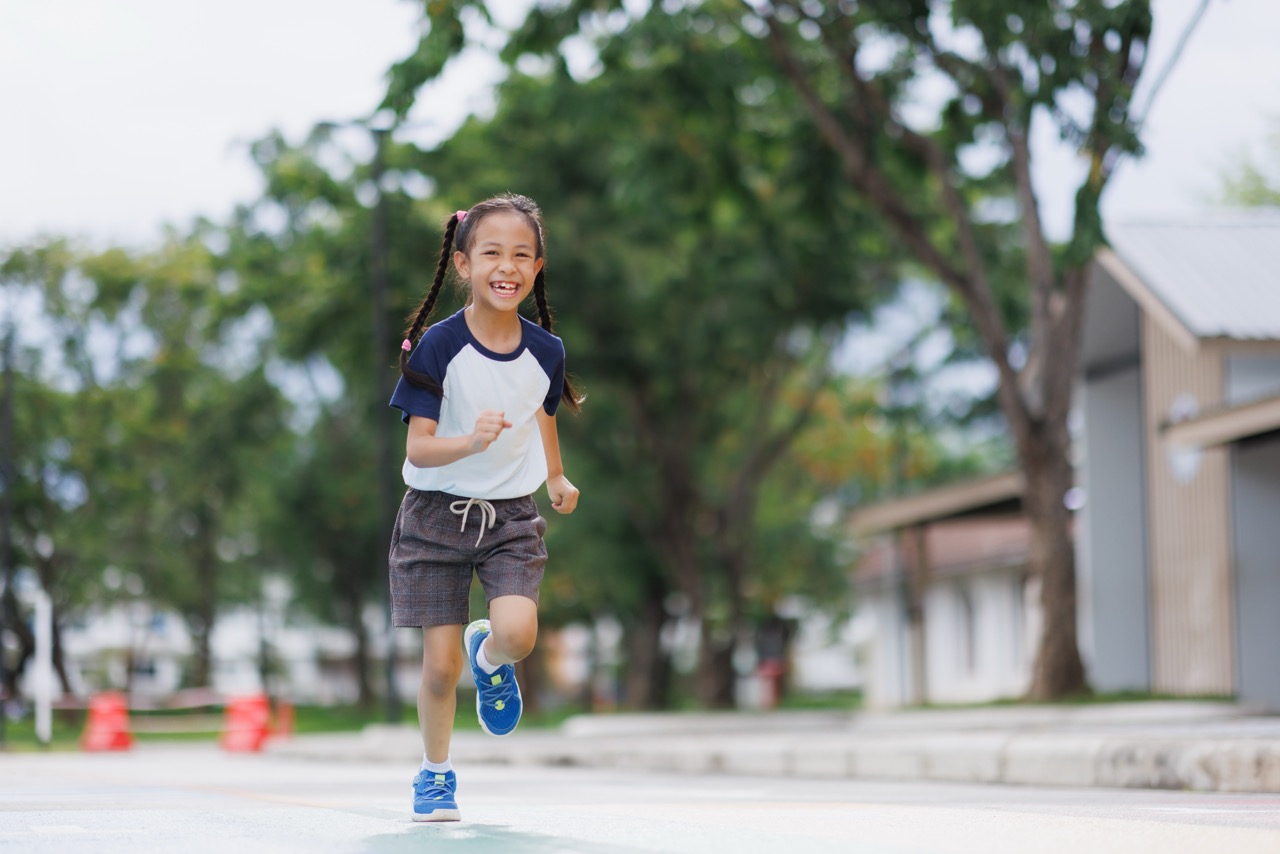
2026 is the year sport and fitness are trending! At PTC Sports, we are delighted that there has never been such a variety of ways for children to get moving and find a sport or exercise they love.
Did you know that there are over 300 recognised sports worldwide? Of these 300 sports, approximately 40-60 are geared for primary-age children, from classic sports like football, cricket, martial arts and gymnastics, to newer activities like Hyrox and Parkour. However, with lots of choice, it can fuel decision fatigue, and we speak to many parents overwhelmed with options and feeling pressured to sign up to everything and anything in fear of their child missing out and not finding “their sport”.
We are here to set the record straight and tell you that you may be missing something very important… fundamental skills. We believe that there are key competencies a child needs to learn before they can actually properly “play” a sport. So before deciding which of the 60 sports to pick, read our advice below and ensure your child has mastered the essential skills before committing to a specific sport.
Long before a child can dribble a football, hit a cricket ball or nail a forward roll, there are a handful of central skills that we recommend focusing on first.
At PTC Sports, we call these the building blocks of physical literacy, and we are firm believers that the earlier a child tries them, the more confident they’ll be later on, and the more likely to fall in love with sport! Here are our top five things that we advise every child should develop before they turn eight.
Running With Control
Every child can run; that’s the easy bit! The ability to stop quickly, run backwards or change direction is where the challenge lies.
Mastering the art of stopping and changing direction whilst running is a simple but overlooked skill, and arguably the most important and transferable skill a child can forge. It’s the foundation almost every other sport sits on top of, from football to athletics to tag rugby.
We weave this into our sessions constantly, usually without the children even realising that they’re “training.” Games like tag and relay races are brilliant for this, because they’re fun first and skill-building second, which is exactly how it should be at this age.
Catching and Throwing
The proficiency and finesse of catching and throwing is frequently understated and considered as “just” a ball skill. Good ball control takes concentration, hand-eye coordination, dexterity and a lot of practice.
The good news? You don’t need a proper ball or a full-sized target to get started. We start young children with soft balls, bigger targets and shorter distances, then build the challenge as their confidence grows. Nail this early, and it pays off in cricket, netball, rugby, tennis, basically anything that involves an object flying through the air!
Balancing
Balance and core strength are skills that quietly underpin everything, yet rarely get the credit they deserve. Standing on one leg, walking along a beam, hopping from spot to spot- these all look simple on paper, but they’re doing some serious work for a child’s coordination, body awareness and proprioception.
It’s also one of the most satisfying skills to watch develop. We’ll often have children wobbling all over the shop in September who are then rock solid by Christmas. Balance work is the underpinning of sports like gymnastics and dance, but also transfers to riding a bike successfully, and more importantly, injury prevention.
Jumping and Safe Landings
Jumping looks easy. Landing well is the bit most children actually need help with.
Teaching children to jump with two feet and land softly with bent knees isn’t just technique for technique’s sake; it’s about building good habits early that reduce the risk of injury as they take on more demanding sports down the line. It’s also the base skill behind basketball, athletics, gymnastics, and even heading football.
We keep this one playful too! Jumping into hoops, over lines, off low platforms; it never needs to feel like a drill to actually work.
Working as Part of a Team
Not every important skill on this list is physical. Primary-aged children are working hard on learning how to manage impulse control, listening skills, and following instructions. Through play, children learn the importance of passing the ball to teammates rather than hogging the ball, following simple instructions, and waiting their turn. Teachers will agree that these life skills are often the hardest ones for their pupils to learn, and learning through sport speeds the process. As coaches, we are delighted to see our children freely choosing to work together with their teammates. It’s one of the most rewarding parts of our jobs, and the first fundamental gateway skill to success in team sports.
The Training Starts Now
The good news is that none of these skills needs a specific sport or expensive kit to develop. All of these skills are built into our sessions and are easy to continue practicing at home. What children need is repetition, encouragement and a healthy dose of fun thrown in, so that they don’t even realise they’re learning.
This is exactly what we build our sessions around, whether that’s during the school day during classes, after-school clubs, or one of our holiday camps. Get these five foundations right, and a child will be far better equipped to enjoy whatever sport they end up falling head over heels for!
So if your little one is a bit wobbly on their feet or can’t quite catch a ball yet, don’t worry, that’s exactly where we come in! Get your child started on their athletic skills today. October Half Term Camps now available for booking!
For more information and to contact us:
https://ptcsports.co.uk/contact/
Phone: +447513 522 896
info@ptcsports.co.uk